
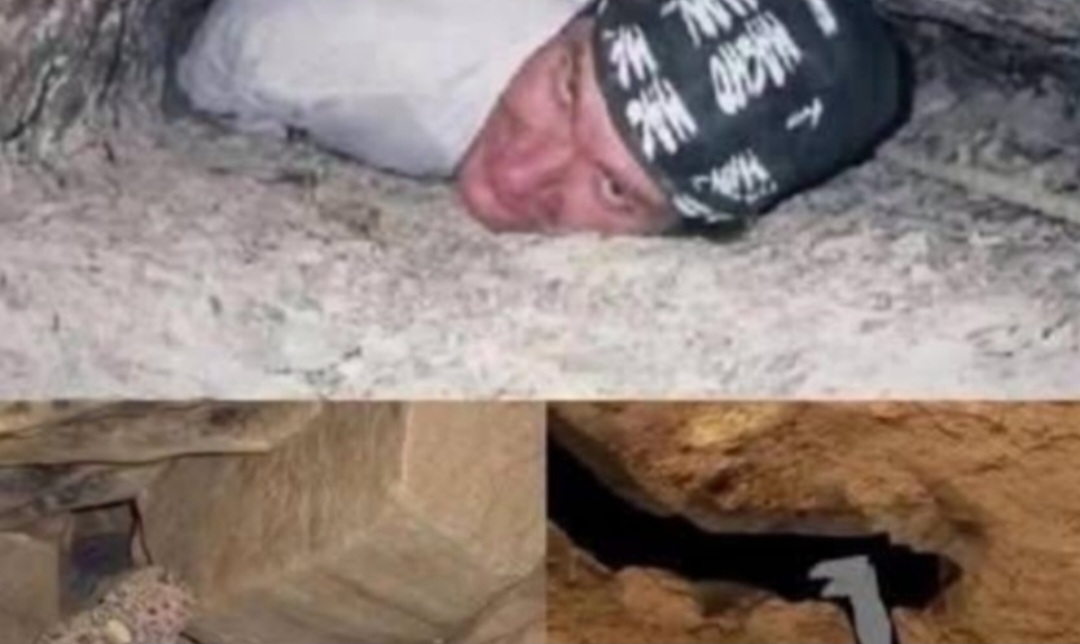
Make sure the man wasn’t alone.
Frequently Asked Questions
What should you do if you find an injured person while hiking?
Contact local emergency services and provide the most precise location information you can. If the area is dangerous, avoid putting yourself at risk by approaching too closely.
Should you move someone who appears injured?
Unless there is an immediate danger that requires evacuation, unnecessary movement of a potentially injured person can be risky. Follow instructions from emergency responders whenever possible.
Why did the rescuers take time to assess the terrain?
The man was near a steep ravine, with uneven and potentially unstable ground. The rescuers needed to protect themselves while determining how to reach and evacuate him safely.
Why are ropes and harnesses useful in difficult rescues?
Specialized equipment can help rescuers maintain secure positions and control movement in steep or unstable terrain. The appropriate equipment and techniques depend on the specific rescue environment.
What should hikers do when weather suddenly worsens?
If conditions become dangerous, hikers should prioritize shelter and personal safety and follow local weather and emergency guidance. Wet terrain can become significantly more difficult to navigate.
Why is communication so important during a rescue?
Rescue operations often involve multiple people performing different tasks simultaneously. Clear communication helps team members coordinate movements, equipment, and changes in conditions.
Final Thoughts
What began as an ordinary Saturday hike became an unexpected emergency when Daniel noticed what initially appeared to be an abandoned backpack near a ravine.
It turned out to be a person.
Instead of rushing into dangerous terrain, Daniel contacted emergency services and stayed nearby, reassuring the stranded man while help was on the way.
When the rescue team arrived, they faced steep ground, unstable footing, and eventually worsening rain.
Yet they continued methodically.
Ropes were checked.
Harnesses were prepared.
Positions were secured.
Every movement was coordinated.
And perhaps that’s what makes the story so memorable.
It wasn’t one dramatic gesture that mattered.
It was a series of careful decisions—from one ordinary hiker stopping to look twice, to trained rescuers refusing to let urgency override safety.
Sometimes, helping someone begins with something remarkably simple:
Notice. Stop. Call for help. Stay calm.
And when the terrain is dangerous, knowing when not to rush in can be just as important as the courage to help.