
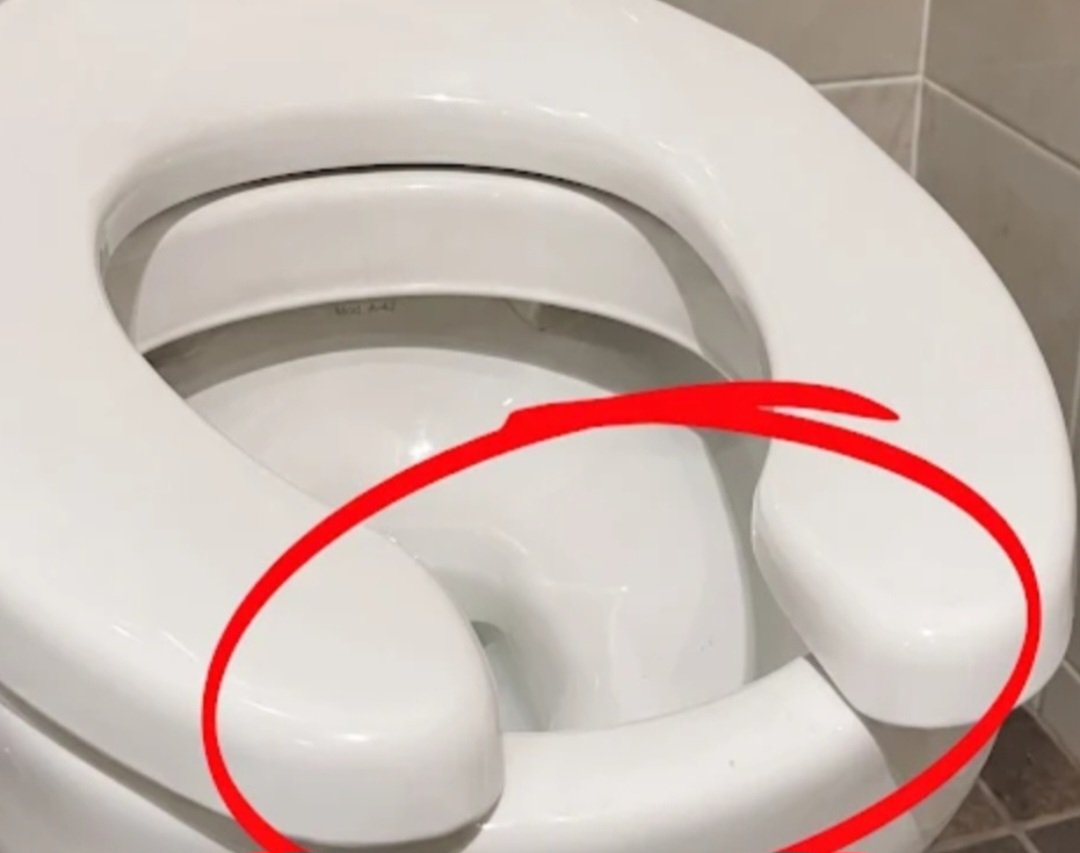
The Next Time You See One…
The next time you walk into a public restroom and see that familiar gap at the front of the toilet seat, you’ll know there’s more going on than meets the eye.
That little opening isn’t just a strange design choice.
It’s part of a long history of designing public fixtures around cleaning, maintenance, user needs, durability, and sanitation.
And that’s one of the things I love about everyday objects.
We see them hundreds of times without ever asking why they’re shaped the way they are.
Then one day, you notice something.
And suddenly, you can’t stop wondering.
Why is the seat shaped like that?
Why are public bathroom sinks so shallow?
Why do automatic faucets turn off so quickly?
Why is the toilet paper sometimes folded into a little point?
There are reasons behind so many of these tiny details.
And the humble U-shaped toilet seat turns out to be one of them.
Final Thoughts
So, why do public restrooms have those U-shaped toilet seats?
The short answer is that they’re open-front toilet seats, and their design has practical advantages in public and institutional environments.
They can make certain areas easier to clean, provide additional front clearance, and fit into broader hygiene, maintenance, and accessibility considerations.
But there’s no single universal explanation—and claims that the design exists solely to prevent germs or for one particular type of user oversimplify the story.
The next time you see one, take a second look.
That little gap may seem insignificant.
But like so many ordinary things around us, there’s a surprisingly practical reason it’s there.
And honestly?
I don’t think I’ll ever look at a public restroom toilet seat quite the same way again!