
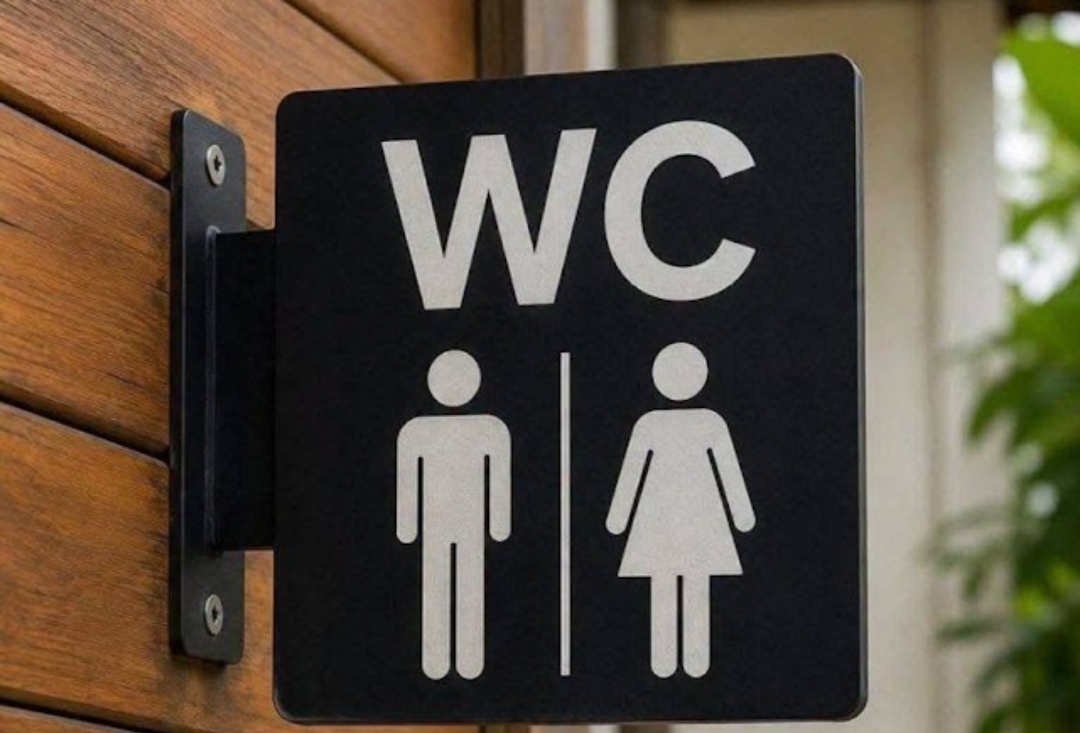
Though the term may sound old-fashioned to modern ears, it remains widely used around the world—particularly in international settings. You will often see WC on signage in:
European countries
Hotels and hostels
European countries
Hotels and hostels
Airports and train stations
Historic buildings and tourist destinations
Its endurance is no accident. “WC” is short, language-neutral, and easily understood across cultures. In a world of diverse tongues, it functions as a quiet universal symbol.
Why Not Just Say “Bathroom”?
Language is regional, and terms for the same space vary widely:
Bathroom: Common in North America; implies a room with both a toilet and a bath or shower
Restroom: Frequently used in U.S. public spaces; emphasizes comfort and privacy
Toilet: Direct and common in the UK, Europe, and many other regions
WC: International, concise, and widely recognized on signage
Each term reflects cultural norms, historical usage, and practical communication needs. None is inherently “correct”—they simply serve different contexts.