
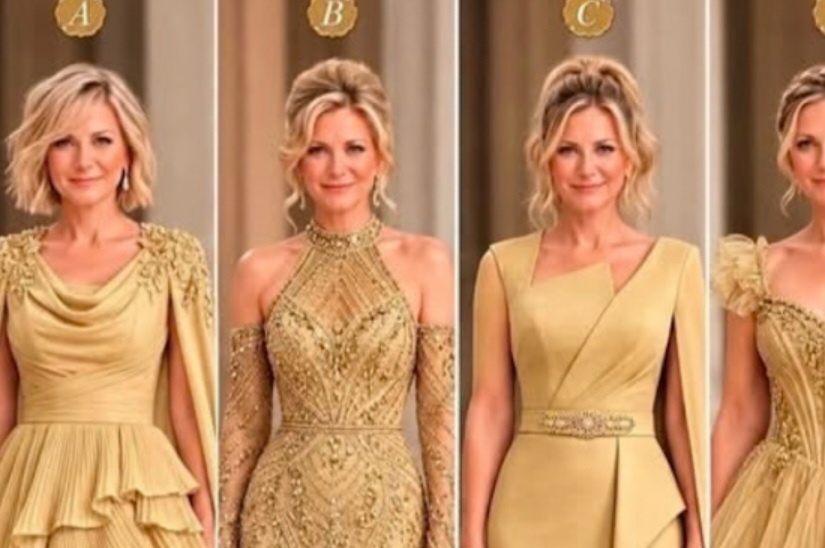
One person might love the elegant simplicity of a tailored dress, while another prefers a flowing skirt with plenty of movement. Neither response is wrong. We simply bring different preferences, experiences, and priorities to fashion.
Clothing can be a form of self-expression. The colors, shapes, fabrics, and accessories we choose may reflect our mood, cultural background, lifestyle, or the image we want to present on a particular occasion.
For example:
Romantic designs may appeal to people who enjoy soft fabrics and classic details.
Glamorous styles may attract those who appreciate embellishment and polished formalwear.
Minimalist outfits may suit people who prefer clean lines and versatility.
Dramatic designs may appeal to those who enjoy bold shapes and creative expression.
These are examples of style preferences, not fixed personality categories.
A person who loves a minimalist dress might also enjoy dramatic fashion. Someone who usually wears simple clothes may choose a glamorous outfit for a special celebration.
Our tastes can change with the occasion, our comfort level, and even our mood.
That flexibility is part of what makes fashion so enjoyable.
Can Your Dress Choice Reveal Your Personality?
It’s tempting to believe that choosing a particular dress reveals whether someone is confident, creative, practical, or romantic.
Although clothing can communicate aspects of personal style, there is no reliable way to determine someone’s complete personality from a single fashion choice.
A person might choose Dress A because they love its color. Another might choose Dress B because it suits the wedding’s formality. Someone else might select Dress C because they know they’ll be comfortable wearing it all day.
The choice may have more to do with practical considerations than personality.
That doesn’t mean a fashion quiz can’t be fun. It simply means the results are best treated as a lighthearted opportunity to reflect on what you enjoy.
Instead of asking what your dress choice proves about you, consider asking yourself:
What do I like most about this design?
Do I prefer simple shapes or decorative details?
How important is comfort when I dress for an event?
Do I enjoy following trends or choosing timeless pieces?
Which outfit makes me feel most like myself?
Your answers may tell you more about your personal style than any label could.
What Actually Makes a Dress Elegant?
Elegance is subjective, but a few practical details can help an outfit look polished and appropriate.
1. A Comfortable, Well-Fitting Design
A dress should allow you to move naturally and enjoy the event. A good fit often makes a bigger difference than the price tag or number of embellishments.
2. Fabric That Suits the Occasion
Lightweight fabrics may work beautifully for daytime or warm-weather weddings, while structured materials and richer textures can suit more formal celebrations.
Consider the season, location, and expected dress code before choosing.
3. Balanced Accessories
Accessories should complement the dress. If your outfit has elaborate details, simpler jewelry may create a more balanced appearance. If the dress is understated, one distinctive accessory can add personality.
4. Colors That Respect Wedding Etiquette
Before settling on a color, consider the couple’s preferences and local traditions. In many Western weddings, guests avoid wearing white or shades that closely resemble the bridal outfit unless the couple has specifically invited them to do so.
Other cultures have different customs regarding wedding colors, so context matters.
5. Confidence and Comfort
Perhaps the most important consideration is how you feel in the outfit.
If you spend the entire event worrying about uncomfortable shoes, a slipping neckline, or a skirt that makes walking difficult, it can be harder to enjoy yourself.
Choose something that allows you to relax, celebrate, and participate fully.
Elegance isn’t limited to one silhouette or price range. A thoughtful outfit that suits the occasion and feels comfortable can be just as effective as a more elaborate design.
Which Dress Is Most Appropriate for a Wedding?
The answer depends on the wedding, the dress code, the venue, and your personal preferences.
Here are a few things to consider when deciding between Dresses A, B, C, and D.
For a Formal Evening Wedding
A glamorous or dramatic dress may suit a black-tie or formal evening celebration, provided its length, fabric, and overall style match the invitation.
Dress B or Dress D might be appealing options if their designs fit the event’s level of formality.
For a Garden or Daytime Wedding
A romantic dress with flowing fabric may work beautifully for an outdoor ceremony. A minimalist dress can also be an excellent choice, especially in a seasonally appropriate fabric and color.
Dress A or Dress C may suit these settings, depending on their actual designs.
For a Modern, Minimalist Celebration
If the wedding has a contemporary aesthetic or a relaxed formal dress code, a clean, tailored design may feel particularly appropriate.
Dress C could fit this preference if it matches the venue and invitation.
For a Grand or Highly Formal Celebration
A structured silhouette or elaborate design can create a striking look at a formal event.
Dress B or Dress D may work well, but the specific dress code should always guide the final decision.
There is no universal winner. The most appropriate dress is the one that suits the occasion, respects the couple’s wishes, and allows you to feel comfortable and confident.
Common Mistakes to Avoid When Choosing a Wedding Guest Dress
Even a beautiful dress may not be the right choice for every wedding. Before deciding, keep these practical tips in mind.
Don’t ignore the invitation. Check whether the dress code is casual, cocktail, formal, or black tie.
Don’t choose an outfit solely because it’s fashionable. Consider whether it fits comfortably and suits the event.
Don’t overlook the venue. Shoes and hemlines that work in a ballroom may be inconvenient on grass, sand, or uneven ground.
Don’t let accessories compete with one another. Choose pieces that work together rather than trying to make every item stand out.
Don’t assume expensive means elegant. Fit, fabric, condition, and thoughtful styling matter more than the label.
Don’t forget the couple’s preferences. Respect any stated requests about colors, attire, or cultural customs.
A little planning can help you avoid last-minute outfit stress and enjoy the wedding from the ceremony through the final dance.
Frequently Asked Questions
Which dress is the most elegant for a wedding?
There is no single answer that applies to everyone. Elegance depends on the design, fit, fabric, styling, dress code, and setting. A romantic gown, embellished dress, minimalist silhouette, or dramatic design can all look elegant when appropriate for the occasion.
Does choosing a particular dress reveal your personality?
Not definitively. Fashion preferences can offer clues about your taste and the styles you enjoy, but one choice cannot reliably establish your personality or character.
Is a simple dress more elegant than an elaborate one?
Not necessarily. Simple dresses can look refined through clean lines and excellent tailoring, while elaborate dresses can be elegant through craftsmanship and balanced design. The best choice depends on personal taste and the occasion.
Can I wear a dramatic dress to a wedding?
Yes, if it suits the dress code and doesn’t distract from the celebration in an inappropriate way. Consider the venue, the formality of the event, and the couple’s preferences.
How can I make an affordable dress look elegant?
Focus on fit, neatness, suitable fabric, and balanced accessories. Well-maintained shoes, a coordinated bag, and simple jewelry can help create a polished outfit without requiring an expensive designer label.
Should I choose comfort or style?
Ideally, choose both. A dress that looks beautiful but makes it difficult to sit, walk, or dance may not be practical for a long celebration. Try the outfit on in advance and make sure you can move comfortably.
Final Thoughts: Let Your Personal Style Shine
So, which dress would you choose for a wedding—A, B, C, or D?
Perhaps you’re drawn to the romantic beauty of Dress A. Maybe the intricate glamour of Dress B catches your eye. You might prefer the clean sophistication of Dress C, or perhaps the dramatic silhouette of Dress D feels more like you.
Each style offers a different way to express elegance.
And that’s the wonderful thing about fashion: there is room for many interpretations of beauty. You don’t need to fit into a particular personality category or follow every trend to look polished.
The right outfit is one that suits the occasion, respects the dress code, and makes you feel comfortable being yourself.
Now It’s Your Turn!
Which dress would you choose: A, B, C, or D?
Share your choice in the comments, and tell us what attracted you to it. Was it the silhouette, the details, the simplicity, or the overall feeling of the design?
And if a friend is getting ready for a wedding, share this article with them for a little fashion inspiration!
After all, the most interesting style conversations aren’t about proving that one dress is better than every other option. They’re about discovering how differently we each see beauty—and celebrating that individuality.