
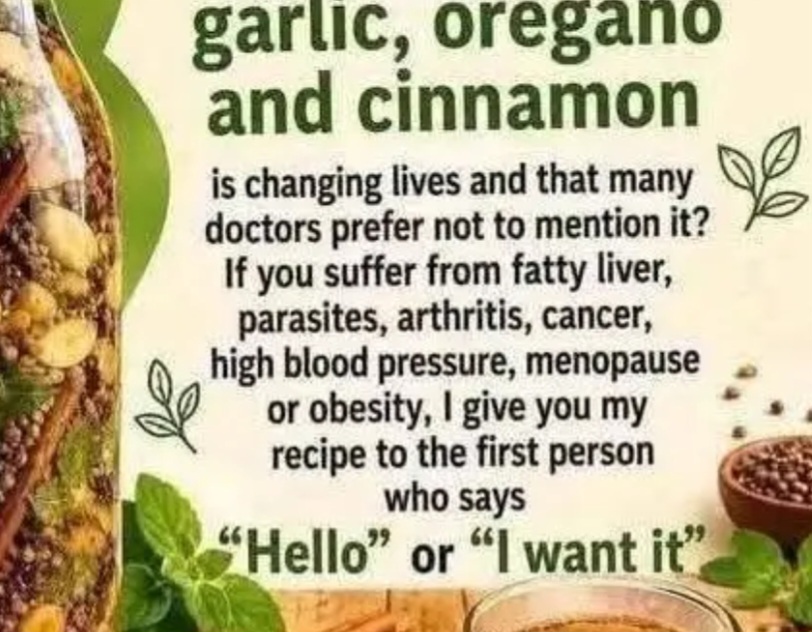
Garlic has been studied for its possible effects on blood pressure and cholesterol levels.
Some research suggests that certain garlic preparations may produce modest improvements in these measurements. However, the results depend on the preparation, dosage, and individual circumstances.
Evidence for oregano as a treatment for cardiovascular conditions is much more limited.
Combining garlic and oregano in food can complement a heart-conscious eating pattern that includes vegetables, fruits, whole grains, legumes, nuts, and appropriate amounts of healthy fats.
People with high blood pressure should continue monitoring their readings and taking prescribed medication as directed. Herbal mixtures should never replace medical care.
4. Garlic and Oregano for Digestive Wellness
Garlic contains fermentable carbohydrates that can be used by intestinal bacteria, but these compounds may also cause bloating, gas, or abdominal discomfort in sensitive individuals.
Oregano is traditionally used as a culinary herb, and its aromatic compounds contribute to its characteristic flavor.
Neither ingredient has been proven to eliminate intestinal parasites when consumed as a homemade mixture.
If you experience persistent diarrhea, unexplained weight loss, abdominal pain, or other symptoms suggesting a digestive problem, consult a healthcare professional rather than relying on herbal remedies.
5. What About Fatty Liver Disease?
Fatty liver disease is associated with excess fat accumulation in the liver. It can be influenced by metabolic health, body weight, alcohol consumption, medications, and other factors.
Garlic and oregano are not established treatments for fatty liver disease, and there is insufficient clinical evidence that a mixture of these ingredients reverses the condition.
For many people with metabolic dysfunction-associated steatotic liver disease, important management strategies include gradual weight loss when appropriate, regular physical activity, balanced nutrition, and management of blood sugar and cholesterol.
A healthcare professional can recommend appropriate tests and follow-up based on the underlying cause and severity.
6. A Simple Garlic and Oregano Recipe
This easy recipe combines garlic and oregano in a warm, savory infusion. It is intended as a food preparation idea, not a treatment for a medical condition.
Ingredients
- 1 small garlic clove.
- 1/2 teaspoon dried oregano.
- 1 cup (240 ml) hot water.
- A small squeeze of lemon, optional.
Preparation
- Peel the garlic clove and crush it lightly.
- Place the crushed garlic and dried oregano in a heatproof cup.
- Pour in one cup of freshly boiled water.
- Cover the cup and allow the mixture to steep for approximately 5–10 minutes.
- Strain the liquid if desired.
- Allow it to cool to a comfortable drinking temperature.
- Add a small squeeze of lemon for flavor, if desired.
The resulting infusion has a strong, savory taste. You can also enjoy garlic and oregano in ordinary cooked dishes if you prefer not to drink an herbal infusion.
Important: There is no scientifically established therapeutic dose for this mixture. Drinking it has not been shown to cure cancer, treat arthritis, eliminate parasites, or reverse fatty liver disease.
7. Can Cinnamon Be Added to the Mixture?
Cinnamon is another widely used culinary spice that contains naturally occurring plant compounds.
It can be added to certain foods and drinks for flavor, but evidence that cinnamon meaningfully treats major medical conditions remains insufficient.
The type of cinnamon matters if you consume it frequently. Cassia cinnamon can contain substantial amounts of coumarin, a compound that may harm the liver in excessive quantities. Ceylon cinnamon generally contains much less coumarin.
Adding a small culinary amount of cinnamon to food is different from taking concentrated extracts or consuming large quantities every day.
There is no reliable evidence that combining garlic, oregano, and cinnamon produces a cure for chronic diseases.
8. Important Safety Precautions
Although garlic and oregano are common food ingredients, concentrated preparations may cause problems for some people.
- Blood pressure medication: Garlic supplements may contribute to lower blood pressure and could increase the risk of dizziness in some circumstances.
- Blood-thinning medication: Garlic supplements can increase bleeding risk, particularly when combined with anticoagulants or antiplatelet medicines.
- Digestive sensitivity: Garlic may trigger heartburn, bloating, or abdominal discomfort.
- Pregnancy and breastfeeding: Avoid medicinal quantities of herbal preparations unless a healthcare professional confirms that they are appropriate.
- Liver conditions: Avoid assuming that herbal mixtures are safe or beneficial for an existing liver condition.
- Surgery: Tell your healthcare professional about supplements you take, particularly garlic supplements, before an operation.
Normal culinary use is generally different from concentrated medicinal use. If you take prescription medication or have a chronic medical condition, seek professional advice before using high-dose supplements.
Final Thoughts
Garlic and oregano are flavorful ingredients with a long history in traditional cooking. They contain interesting plant compounds and can be part of a varied, balanced diet.
A simple garlic and oregano infusion is easy to prepare, but it should be viewed as a beverage rather than a medicine. Claims that this mixture cures cancer, removes parasites, eliminates arthritis, or reverses fatty liver disease are not supported by reliable clinical evidence.
For lasting health benefits, focus on nutritious meals, regular physical activity, adequate sleep, and appropriate medical care. Natural ingredients can complement a healthy lifestyle, but they cannot replace proven treatments for serious illnesses.