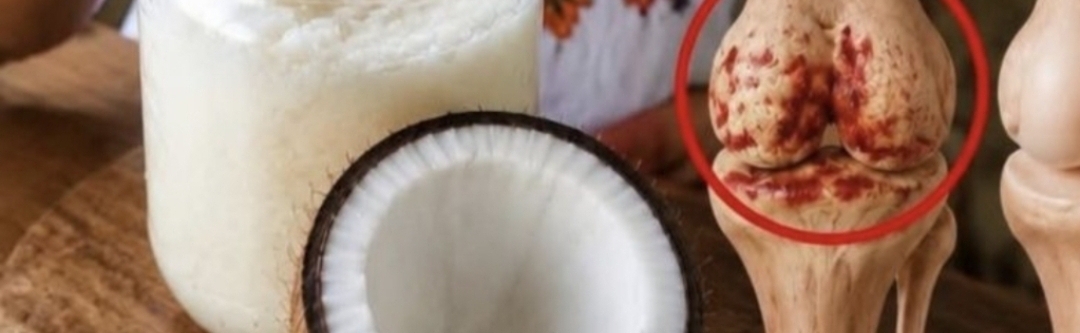
Knee pain is one of the most common mobility problems affecting adults worldwide. In many cases, the discomfort is linked to cartilage wear and tear — a natural process that can worsen with age, injuries, excess weight, or poor lifestyle habits.Unfortunately, there are many myths surrounding knee cartilage regeneration and joint health. Understanding the real causes of cartilage damage and the habits that support healthy knees can help prevent long-term joint problems.What Is Knee Cartilage?Knee cartilage is a smooth, flexible tissue that covers the ends of the bones inside the joint. Its primary function is to reduce friction and absorb impact during movement.Healthy cartilage allows the knee to move smoothly when walking, running, bending, or climbing stairs.When cartilage becomes damaged or worn down, the bones may rub against each other, leading to pain, stiffness, swelling, and reduced mobility.Common Causes of Knee Cartilage DamageSeveral factors can contribute to cartilage deterioration over time.AgingAs the body ages, cartilage naturally loses elasticity and hydration, making it more vulnerable to degeneration.Excess Body WeightExtra weight places significant pressure on the knee joints, accelerating cartilage wear.Sports InjuriesHigh-impact activities, repetitive movements, or previous injuries can increase the risk of cartilage damage.Sedentary LifestyleWeak muscles around the knees reduce joint stability and increase stress on cartilage.Poor Posture and Movement HabitsIncorrect walking patterns or improper exercise techniques may strain the knees over time.Common Symptoms of Cartilage ProblemsPeople with knee cartilage issues may experience:Knee pain during movementStiffness after restingSwelling around the jointCracking or grinding soundsDifficulty climbing stairsReduced flexibility and mobilityPersistent symptoms should always be evaluated by a healthcare professional.Myths About Knee Cartilage You Should Stop BelievingMyth 1: Cartilage Damage Only Happens to Older AdultsAlthough aging is a major factor, younger people can also experience cartilage injuries due to sports, obesity, or repetitive stress.Myth 2: Rest Alone Can Fully Repair CartilageRest may reduce inflammation temporarily, but long-term joint health often requires physical therapy, exercise, and lifestyle improvements.Myth 3: Supplements Can Instantly Regenerate CartilageMany products claim to “rebuild cartilage quickly,” but scientific evidence is mixed. Some supplements may support joint comfort, but they are not miracle cures.Myth 4: Exercise Is Bad for Knee PainLow-impact exercise is actually one of the best ways to strengthen muscles, improve flexibility, and support joint stability.Best Habits to Protect Knee Cartilage NaturallyMaintain a Healthy WeightReducing excess weight decreases pressure on the knees and may slow cartilage degeneration.Stay Physically ActiveActivities such as walking, swimming, cycling, and stretching can help maintain joint mobility and muscle strength.Strengthen Leg MusclesStrong quadriceps and hamstrings help stabilize the knee and reduce joint stress.Follow an Anti-Inflammatory DietFoods rich in omega-3 fatty acids, vegetables, fruits, nuts, and antioxidants may support overall joint health.Avoid Excessive High-Impact MovementsOvertraining and repetitive jumping can increase cartilage wear, especially without proper recovery.Nutrients Commonly Associated With Joint SupportSome nutrients and compounds frequently linked to joint health include:CollagenGlucosamineChondroitinOmega-3 fatty acidsVitamin DTurmeric extractWhile these may support joint wellness for some individuals, medical guidance is recommended before starting supplements.When Should You See a Doctor?You should seek medical evaluation if you experience:Persistent knee painSwelling that does not improveJoint instabilityDifficulty walkingLimited movementSudden locking of the kneeEarly diagnosis may help slow progression and improve treatment outcomes.Final ThoughtsKnee cartilage plays a vital role in mobility, flexibility, and daily comfort. Although cartilage naturally changes with age, healthy habits can help protect your joints and reduce the risk of long-term problems.Understanding the truth behind common myths, staying active, maintaining a healthy weight, and seeking professional care when needed are essential steps toward healthier knees and better quality of life.
Knee Cartilage Health: Truth, Myths, and Essential Habits to Protect Your Joints