
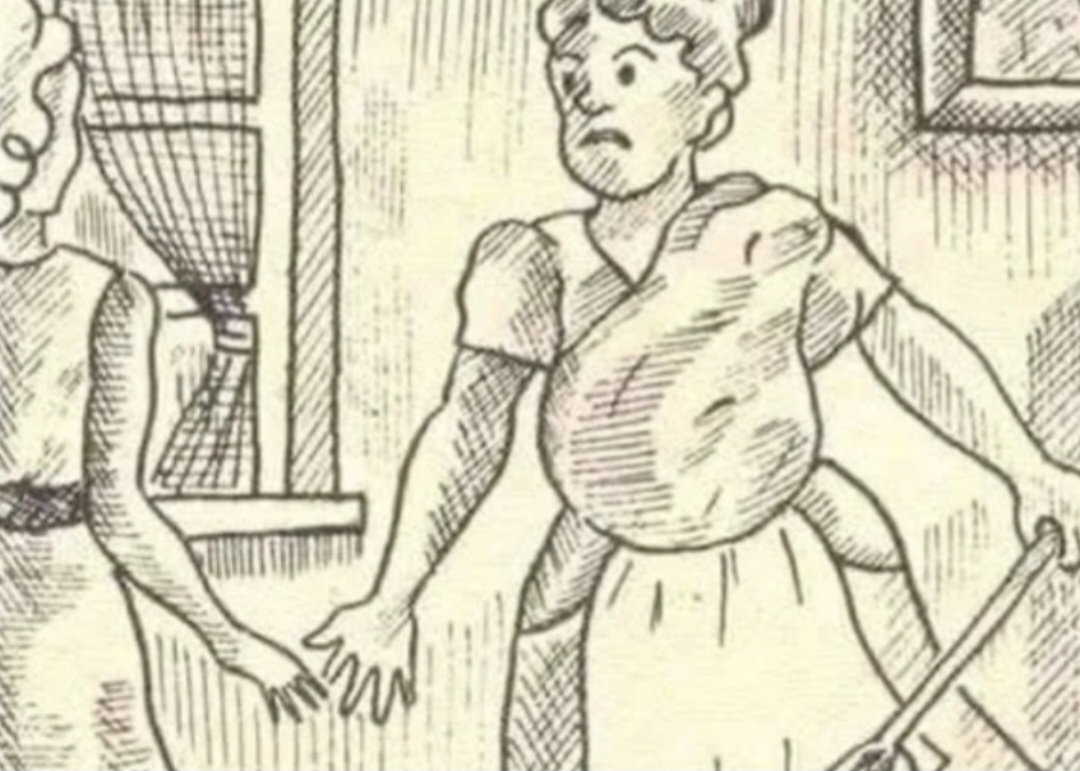
Could that same shape represent something else?
Step 4: Rotate the image
This is the most important trick for this particular puzzle.
Turn the picture upside down and examine it again.
Step 5: Search for animal features
Once the orientation changes, look for familiar features such as an ear, head, neck, back, or body outline.
Step 6: Give your eyes time to adjust
Don’t rush.
Sometimes the hidden figure doesn’t appear instantly. Allow your brain a few moments to reorganize what you’re seeing.
What Makes This Puzzle So Entertaining?
The appeal isn’t really about finding a donkey.
It’s about experiencing that little moment when your brain suddenly changes its interpretation of the picture.
Before you solve it, you’re looking at a collection of unrelated details.
After you solve it, those details seem connected.
That transformation is what makes optical illusions and hidden-image puzzles so addictive.
They’re also wonderfully easy to share. You can show the puzzle to a friend, tell them there’s a donkey hiding inside, and watch them begin inspecting every corner of the image.
Just be careful not to give away the rotation trick too quickly!
Frequently Asked Questions
Is the hidden donkey actually in the picture?
Yes. The source describes the donkey as being incorporated into the illustration through its existing lines, curves, outlines, and shapes.
What is the best trick for finding the donkey?
The strongest clue provided by the puzzle is to turn the image upside down. Changing its orientation can make the hidden animal’s shapes easier to recognize.
Why can’t I see the donkey?
That’s completely normal. Hidden-image puzzles deliberately encourage your brain to interpret the picture in one way, which can make a second interpretation difficult to notice.
Does finding the donkey prove you have better eyesight?
No. This is a visual puzzle, not a medical or formal vision test. Not seeing the hidden animal quickly doesn’t indicate poor eyesight or a lack of intelligence.
Does the image change when you turn it upside down?
No. The actual image remains exactly the same. Rotating it simply changes your perspective and can make certain shapes easier for your brain to interpret.
Why does the donkey become easier to see after I find it?
Once your brain recognizes the hidden pattern, it has a new way of interpreting the same lines and shapes. The features that previously seemed unrelated can suddenly form a recognizable animal.
Final Thoughts
If you spotted the hidden donkey quickly, you definitely have a sharp eye for visual puzzles!
But if you stared at the image for several minutes and still couldn’t see it, don’t give up. These challenges aren’t about being the smartest person in the room. They’re about breaking away from your first interpretation and looking at familiar shapes in an unfamiliar way.
So remember the secret:
Look closely. Question what you’re seeing. And when you’re stuck, turn the picture upside down.
That little change in perspective may be all it takes for the hidden donkey to suddenly appear.
And once you see it, you’ll probably wonder how you missed it the first time!
Did You Spot the Donkey?
Now it’s your turn to share the challenge.
Did you find the hidden donkey before turning the image upside down, or did the rotation give it away?
Tell us how long it took you to spot it, and challenge someone else to find it without giving away the trick.
If you enjoy optical illusions and hidden-picture puzzles, share this one on Pinterest or with your friends and see who has the sharpest eye!