
Is Supermarket Meat Safe to Eat?
In general, supermarket meat can be safe to eat when it has been properly stored and handled and cooked to the appropriate temperature.
The source material emphasizes an important distinction: the concerns discussed here are primarily about quality and transparency rather than general food safety.
That distinction matters.
A package that contains more liquid than expected or produces a different texture during cooking isn’t automatically unsafe. Those characteristics may instead indicate differences in processing, storage, sourcing, or added ingredients.
As always, consumers should follow appropriate food-safety practices when storing and preparing meat.
How to Choose Better-Quality Meat
If you’re looking for more consistent results and better value at the grocery store, a few simple shopping habits can help.
1. Read the Label Carefully
Don’t look only at the price.
Check the available information about:
- Country of origin
- Product description
- Ingredients or added solutions
- Traceability or sourcing claims
- Weight and packaging information
The more information you understand before purchasing, the easier it becomes to compare products.
2. Check the Appearance
Take a moment to examine the package before placing it in your cart.
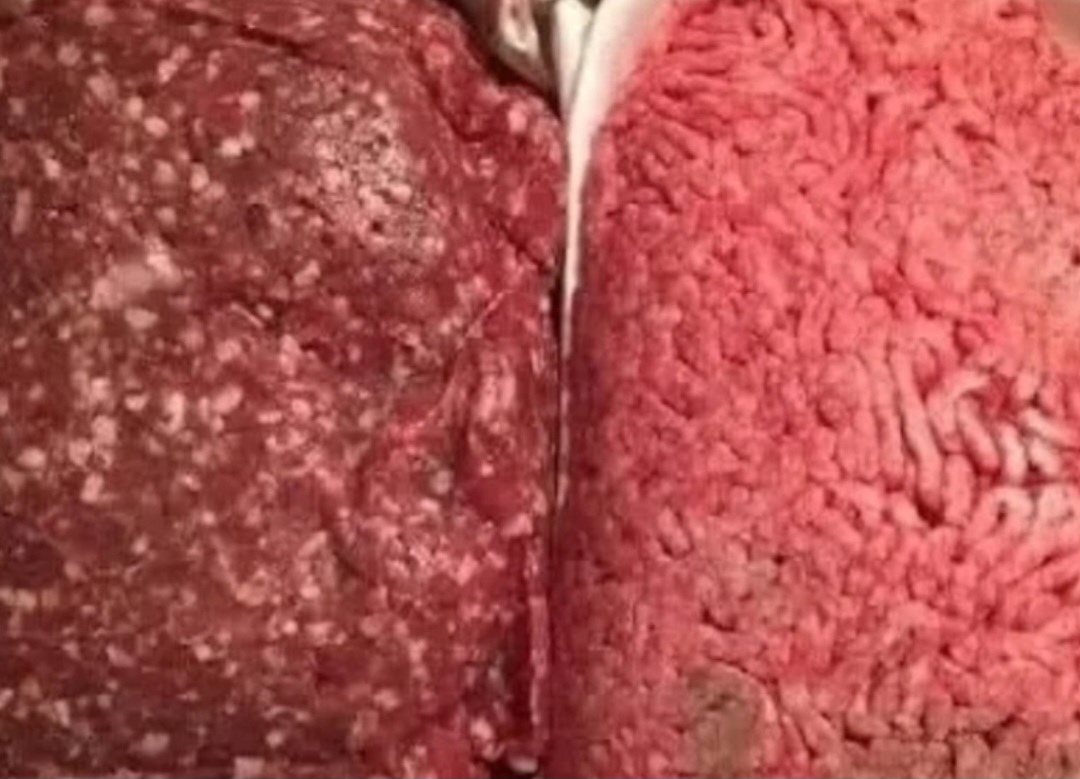
Look for meat with a natural-looking color, a relatively firm appearance, and minimal excessive liquid in the package.
The source specifically recommends paying attention to natural color, firmness, and excess liquid when evaluating meat quality.
Appearance isn’t a perfect measure of quality, but it can provide useful clues when you’re comparing similar products.
3. Understand Meat Grades
If you’re unfamiliar with meat grading, learning the basics can make grocery shopping easier.
For example, understanding differences between common grades such as Choice and Select can help you compare products and decide which option best matches your preferences and budget.
4. Consider Trusted Sources
Supermarkets aren’t the only place to purchase meat.
Depending on where you live, you may also consider:
- Local butcher shops
- Farmers’ markets
- Retailers known for strong quality standards
These sources may provide additional information about where products come from and how they are handled.
5. Watch for Added Solutions
Some packaged meats may contain added liquids or solutions.
These can affect:
- Flavor
- Texture
- Browning
- Cooking results
If you prefer meat without added solutions, check the package information carefully before purchasing.
Why Meat Quality and Transparency Matter
When shoppers purchase meat, they’re buying more than a package of food. They’re also relying on the information provided on the label.
When labeling is unclear, inconsistent, or difficult to understand, consumers can become frustrated—even when the product itself is technically safe.
Clearer labeling, better sourcing information, and consistent quality standards can help shoppers make decisions with greater confidence.
Transparency is especially important when two products appear similar but produce noticeably different results once they’re taken home and cooked.
What Shoppers Should Watch For
The next time you’re standing in front of the meat counter, consider this quick checklist:
Before buying, ask yourself:
- Does the meat have a natural appearance?
- Is there an unusual amount of liquid in the package?
- What does the label say about the product?
- Are there added solutions or ingredients?
- Can you identify the country of origin?
- Do you understand the meat’s grade?
- Is the package properly sealed and appropriately refrigerated?
Taking a few extra seconds can make it easier to compare products and avoid surprises later.
What’s Being Done About Meat Quality?
The source material notes that retailers and regulators are continuing to pay attention to areas such as supplier practices, labeling accuracy, and quality standards.
The broader goal is to improve transparency and consumer confidence so that the products shoppers purchase better match their expectations.
For consumers, this means that paying attention to labels and understanding basic meat terminology can be useful even when no obvious problem exists.
Frequently Asked Questions
Why does some supermarket meat release so much water when cooking?
Several factors can contribute to excess liquid, including processing, storage, and added solutions. The amount of liquid alone does not necessarily indicate that meat is unsafe.
Is meat with excess liquid safe to eat?
The presence of liquid does not automatically mean meat is unsafe. Proper refrigeration, storage, handling, and cooking are important for food safety.
How can I choose better-quality meat?
Start by reading the label, checking the appearance, comparing grades, looking for information about sourcing, and checking whether solutions or other ingredients have been added.
Does meat grading matter?
Understanding meat grades can help shoppers compare products and choose an option that fits their desired quality and budget.
Should I buy meat from a local butcher?
A trusted local butcher can be another option for shoppers who want more information about sourcing and product selection. However, the quality of individual retailers can vary, so it’s still important to make informed choices.
Final Thoughts
Supermarket meat is generally safe when it is properly stored, handled, and cooked, but quality and consistency can vary from one product to another.
If you’ve noticed that some meat releases more liquid, has a different texture, or doesn’t cook the way you expect, there may be several explanations—including processing, storage, sourcing, grading, or added solutions.
The smartest approach isn’t to panic. Read the label, inspect the package, understand what you’re buying, and choose products from sources you trust.
A few extra seconds in the grocery aisle can help you make more confident decisions—and may lead to better results once that meat reaches your kitchen.
Keep reading — tap the button below to continue.