
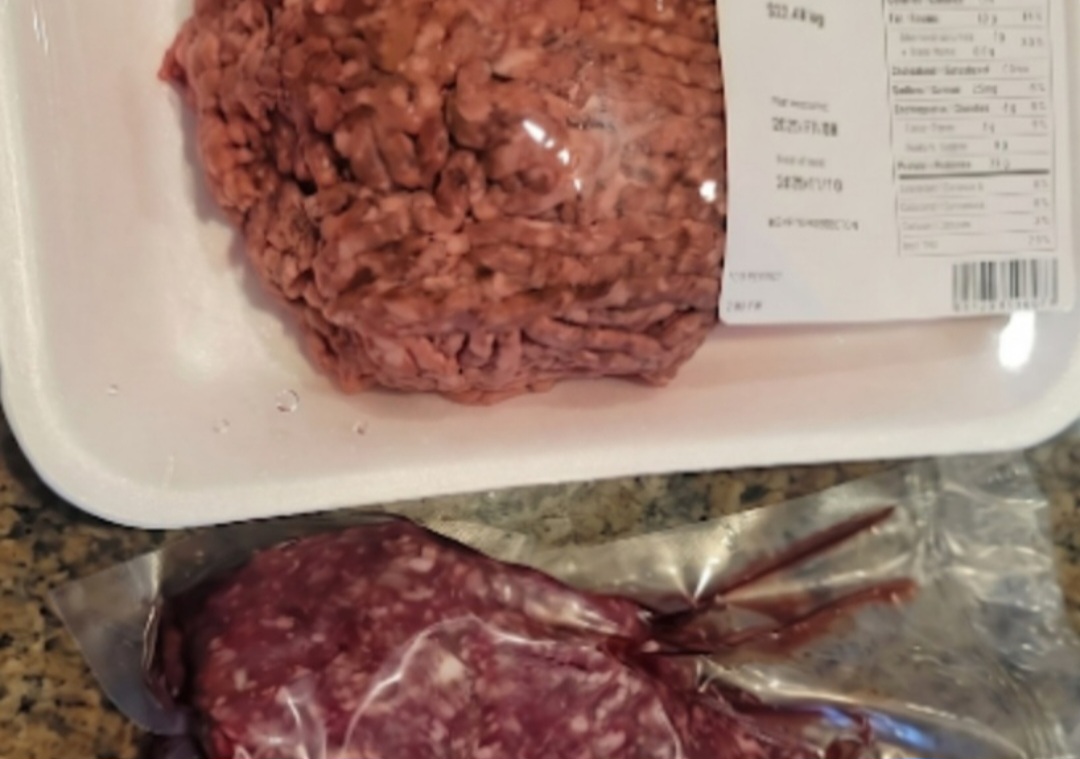
Empowering Yourself with the Knowledge to Spot Freshness, Avoid Spoilage, and Make Confident Choices for Your FamilyOh, my dear friend, for many families, meat is a staple ingredient that appears on the dinner table several times a week. Whether you are shopping at a large supermarket, a local butcher, or a neighborhood market, it is natural to trust that the products on display meet high standards of quality and safety.However, food safety experts warn that appearances can sometimes be deceiving. Some meat products may have been stored improperly, processed with excessive additives, or kept on display longer than recommended.Let’s take a gentle, informed look at how to choose fresh, high-quality meat with confidence.Why Appearance Can Be DeceivingMeat is a perishable product, and its freshness depends on how it has been handled from the moment of processing to the time it reaches your shopping cart. While a package may look appealing, there are subtle signs that can indicate whether the meat is truly fresh or past its prime.Key Signs of Fresh Meat1. Color
Fresh meat should have a natural, vibrant color:
- Beef: A bright, cherry-red color.
- Pork: A pinkish-gray color.
- Poultry: A pale pink or creamy white color.
What to Avoid: Meat that is dull, grayish, or has dark spots. These can indicate age or improper storage. However, be aware that some meats are treated with carbon monoxide or other gases to preserve color, so color alone is not a guarantee of freshness.
2. Smell
Fresh meat should have a mild, clean smell—not unpleasant or sour.
What to Avoid: Any off-putting odor, such as a sour, ammonia-like, or “gamey” smell.
3. Texture
Fresh meat should feel firm and slightly moist, but not sticky or slimy.
What to Avoid: Meat that is sticky, slimy, or has a tacky texture.
4. Packaging
- Check the Date: Always check the sell-by or use-by date.
- Look for Damage: Avoid packages with tears, leaks, or excessive liquid (which can indicate improper storage).
- Choose Sealed Packages: Vacuum-sealed packages often preserve freshness better.
What to Avoid
- Excessive Liquid in the Package: This can be a sign that the meat has been stored for a long time or has been thawed and refrozen.
- Discolored Meat: Dull, grayish, or brownish meat should be avoided.
- A Strong Smell: Any unpleasant odor is a sign to move on.
A Gentle Reminder
Choosing fresh meat is a skill that improves with practice. Trust your senses—your eyes, nose, and touch—and don’t hesitate to ask your butcher or store staff for guidance. With a little knowledge and attention, you can make confident, informed choices for your family.