
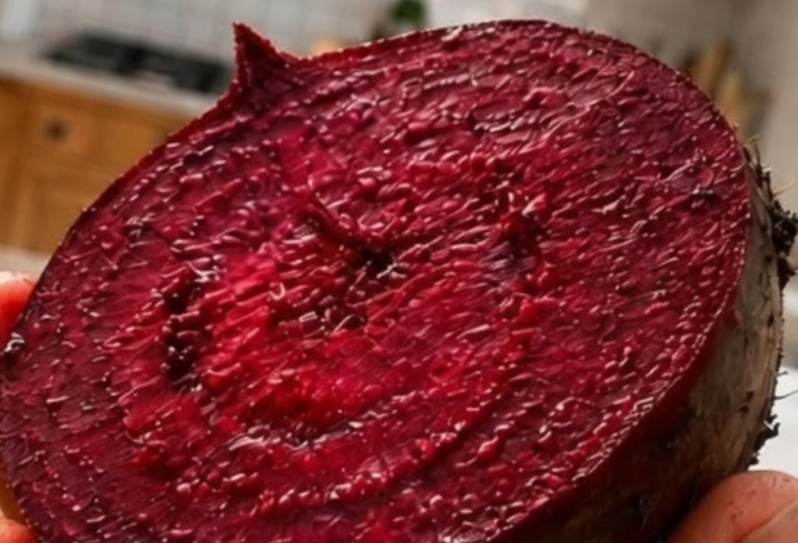
Beetroot (Beta vulgaris), also known simply as beet, is a vibrant root vegetable valued for its deep red color, earthy flavor, and impressive nutritional profile. For centuries, beetroot has been consumed in various cultures as both a food and a traditional wellness ingredient.
Contents
Today, beetroot is recognized as a nutrient-dense vegetable rich in vitamins, minerals, antioxidants, and plant compounds that may support overall health when included as part of a balanced diet.
What Is Beetroot?
Beetroot is the edible taproot of the beet plant, belonging to the Amaranthaceae family. It can be enjoyed in many forms, including:
- Raw
- Cooked
- Roasted
- Pickled
- Juiced
- Blended into smoothies
Its naturally sweet taste and versatility make it a popular ingredient in healthy recipes worldwide.
Nutritional Value of Beetroot
Beetroot provides a variety of important nutrients, including:
- Folate (Vitamin B9)
- Potassium
- Vitamin C
- Iron
- Magnesium
- Manganese
- Dietary fiber
- Natural nitrates
- Antioxidants
One of beetroot’s most distinctive features is its high concentration of betalains, pigments responsible for its rich red-purple color.
Health Benefits of Beetroot
1. Rich in Antioxidants
Beetroot contains betalains and other antioxidants that help protect cells from oxidative stress caused by free radicals.
A diet rich in antioxidant-containing foods may contribute to long-term health and support healthy aging.
2. Supports Heart Health
Beetroot naturally contains dietary nitrates, compounds that the body can convert into nitric oxide.
Nitric oxide helps support normal blood vessel function and healthy circulation, making beetroot a popular food among individuals focused on cardiovascular wellness.
3. May Support Healthy Blood Pressure
Research suggests that dietary nitrates found in vegetables such as beetroot may help support healthy blood pressure levels already within the normal range when consumed as part of a healthy diet.
4. Supports Exercise Performance
Many athletes and active individuals consume beetroot juice because dietary nitrates may help improve the efficiency of oxygen use during physical activity.
This has made beetroot a popular ingredient in sports nutrition.
5. Promotes Digestive Health
Beetroot contains dietary fiber, which supports:
- Healthy digestion
- Regular bowel movements
- Gut health
- Beneficial intestinal bacteria
Including fiber-rich vegetables in your diet is an important part of maintaining digestive wellness.
6. Provides Important Nutrients During Pregnancy
Beetroot is a good source of folate, a nutrient that plays a crucial role in normal cell growth and development.
Folate is especially important during pregnancy as part of a balanced prenatal nutrition plan.
7. Supports Overall Wellness
The combination of vitamins, minerals, antioxidants, and fiber makes beetroot a valuable addition to a healthy eating pattern.
How to Add Beetroot to Your Diet
Fresh Beetroot Juice
A simple way to enjoy beetroot is by making fresh juice.
Ingredients
- 1 medium beetroot
- 1 carrot (optional)
- 1 apple (optional)
- Water as needed
Instructions
- Wash and peel the ingredients.
- Cut into smaller pieces.
- Blend or juice until smooth.
- Serve immediately.
Roasted Beetroot
Roasting enhances beetroot’s natural sweetness.
- Slice into cubes.
- Toss with olive oil.
- Roast until tender.
- Serve as a side dish or salad ingredient.
Beetroot Salad
Combine cooked beetroot with:
- Leafy greens
- Nuts
- Cheese
- Citrus fruits
for a nutrient-rich meal.
Why Beetroot Is Popular Among Health Enthusiasts
Beetroot is often featured in wellness-focused diets because it:
- Is naturally low in calories
- Contains beneficial plant compounds
- Provides dietary fiber
- Supports hydration
- Offers versatile culinary uses
Its unique nutrient profile makes it one of the most nutrient-dense root vegetables available.
Safety Considerations
Beeturia
Some people may notice red or pink urine after consuming beetroot. This harmless condition is known as beeturia and is generally not a cause for concern.
Kidney Stone Considerations
Beetroot contains oxalates. Individuals prone to certain types of kidney stones may wish to discuss dietary intake with a healthcare professional.
Moderation Is Important
Like any food, beetroot is best enjoyed as part of a varied and balanced diet.
Final Thoughts
Beetroot (Beta vulgaris) is a colorful and nutrient-rich vegetable that offers a variety of potential health benefits. Rich in antioxidants, fiber, vitamins, minerals, and natural nitrates, beetroot can support overall wellness when incorporated into a healthy lifestyle.
Whether enjoyed as juice, roasted vegetables, salads, or smoothies, beetroot provides a delicious and nutritious way to enhance your daily diet