
About This Recipe
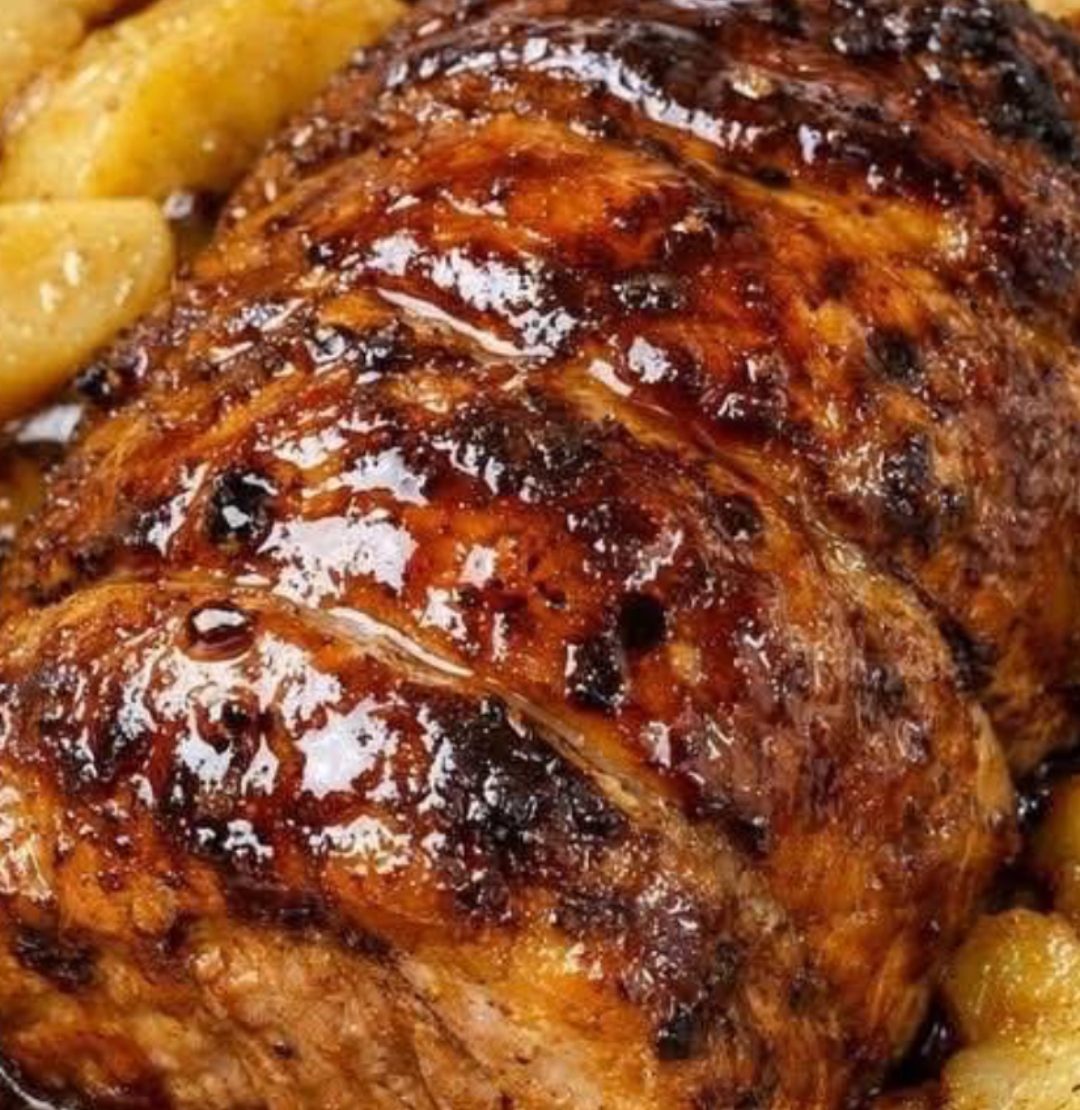
This Slow Cooker Apple Cider Pork Roast is a comforting one-pot meal that fills your home with the warm, sweet-savory aroma of autumn. A boneless pork shoulder is slowly braised in fresh apple cider, blended with aromatic vegetables and herbs. The long, gentle cooking breaks down the collagen in the pork, resulting in meat that is fall-apart tender. The cider reduces slightly during cooking, creating a light, flavorful broth that is both subtly sweet and deeply savory. It’s a classic fall supper that requires minimal hands-on time but delivers maximum comfort.
Why You’ll Love This Recipe
- True set-it-and-forget-it convenience: After a quick sear and a few minutes of prep, the slow cooker does all the work. Perfect for busy weekdays or a relaxing weekend.
- Deep, layered autumn flavor: The combination of fresh apple cider, pork, onions, and classic herbs like thyme and sage captures the essence of a crisp fall day.
- Incredibly tender meat: The low-and-slow method ensures the pork shoulder becomes spoon-tender and easily shreds or slices beautifully.
- Versatile serving options: Serve it over creamy mashed potatoes, with roasted root vegetables, or even shredded on crusty rolls for a hearty sandwich.
- Naturally comforting: It’s a dish that feels like a hug in a bowl — warm, rich, and satisfying without being heavy.
Ingredients
- 3 to 4 pounds boneless pork shoulder (or pork butt), trimmed of excess fat and tied if necessary
- 2 teaspoons kosher salt, plus more to taste
- 1 teaspoon freshly ground black pepper
- 2 tablespoons neutral oil (such as canola or vegetable), for searing
- 1 large yellow onion, thinly sliced
- 3 cloves garlic, minced
- 2 cups fresh apple cider (unfiltered is best)
- 1 tablespoon apple cider vinegar
- 2 medium Gala or Honeycrisp apples, cored and cut into thick wedges (peel left on or off, as preferred)
- 3 sprigs fresh thyme
- 2 sprigs fresh sage
- 1 large sprig fresh rosemary (or 1 teaspoon dried)
- 2 bay leaves
- 1 tablespoon Dijon mustard (optional, for a bit of tang)
- 2 tablespoons unsalted butter, softened (optional, for finishing)
- 2 tablespoons all-purpose flour (optional, for thickening)
Step by Step Instructions
- Prep the pork: Pat the pork shoulder completely dry with paper towels. Season generously on all sides with the kosher salt and black pepper. Let it sit at room temperature while you prepare the other ingredients (about 15–20 minutes).
- Sear the meat (optional but recommended): Heat the oil in a large skillet or Dutch oven over medium-high heat until shimmering. Place the pork in the pan and sear without moving for 4–5 minutes per side, until deeply golden brown. Transfer the pork to a plate. (If you’re short on time, you can skip searing, but browning adds significant flavor.)
- Sauté aromatics: Reduce the heat to medium. Add the sliced onion to the same skillet and cook, stirring occasionally, for 3–4 minutes until softened and lightly browned. Add the minced garlic and cook for 1 minute more, until fragrant. (If the pan is dry, add a splash of apple cider.)
- Deglaze the pan: Pour about ½ cup of the apple cider into the skillet and scrape up any browned bits from the bottom with a wooden spoon. This incorporates all the savory flavor into the liquid.
- Assemble in the slow cooker: Place the seared pork in the slow cooker (6-quart or similar). Scatter the sautéed onions and garlic around the meat. Tuck the apple wedges, thyme, sage, rosemary, and bay leaves around the pork.
- Add liquids: Pour the remaining apple cider and the apple cider vinegar over the top. If using Dijon mustard, whisk it into the liquid at this point. The liquid should come about halfway up the sides of the pork; if it seems low, add a splash of chicken stock or water, but do not submerge the meat completely.
- Slow cook: Cover the slow cooker and cook on LOW for 7–8 hours or on HIGH for 4–5 hours, until the pork is fork-tender and easily pulls apart. The exact time depends on your slow cooker and the shape of the roast.
- Rest and shred (optional): Carefully transfer the pork to a cutting board. If you prefer slices, let it rest for 10 minutes, then slice against the grain. For shredded pork, use two forks to pull the meat into chunks. Tent loosely with foil.
- Finish the cooking liquid (optional):Strain the liquid from the slow cooker into a saucepan; discard the herb sprigs and bay leaves, but you can keep the cooked apples if desired (they will be very soft). Skim off excess fat. Bring the liquid to a simmer. For a thicker gravy, mash the butter and flour together into a paste (beurre manié) and whisk it into the simmering cider until thickened slightly. Season with salt and pepper to taste.
- Serve: Return the pork to the slow cooker or arrange on a platter. Pour some of the warm cider sauce over the meat. Serve with the remaining sauce on the side.
FAQ
Can I use apple juice instead of apple cider?Yes, you can substitute with high-quality apple juice. Keep in mind that apple cider is typically unfiltered and has a richer, tangier apple flavor. If using juice, you might want to add a tablespoon of lemon juice to brighten the flavor.
Do I have to sear the pork first?Searing is not strictly necessary for the meat to become tender, but it adds a deep, caramelized flavor (Maillard reaction) that greatly enhances the final dish. If you’re pressed for time, you can skip it, but the result will be slightly less complex.
What cut of pork works best?Pork shoulder (also called pork butt or Boston butt) is ideal for slow cooking because of its fat and collagen content, which breaks down into tender, juicy meat. Pork loin is too lean and will dry out.
Can I add vegetables like potatoes or carrots?Absolutely. Root vegetables pair wonderfully with this dish. Add peeled and chunked carrots, parsnips, or potatoes during the last 2–3 hours of cooking on LOW so they don’t become overly mushy. You can also add them raw at the start if you prefer very soft vegetables.
Is this recipe gluten-free?The base recipe without the flour-butter thickener is naturally gluten-free. Ensure your Dijon mustard (if used) is labeled gluten-free. To thicken the sauce without gluten, use a cornstarch slurry (1 tablespoon cornstarch mixed with 2 tablespoons cold water) stirred into the simmering liquid.
You Must Know
Pork doneness & safetyCook until the pork is fork-tender, which typically means an internal temperature well above 190°F (88°C) for shreddable texture. This is safe and desirable for shoulder cuts; the collagen has fully broken down.
Apple choice mattersUse firm, slightly tart or sweet apples that hold their shape somewhat, such as Honeycrisp, Fuji, or Braeburn. Avoid Red Delicious, as they become mealy.
Don’t lift the lidEach time you remove the slow cooker lid, heat escapes and adds 20–30 minutes of cooking time. Only check for doneness near the end of the recipe window.
Adjusting sweetnessApple cider can be quite sweet. The vinegar and mustard help balance it. Taste the finished sauce — if it’s too sweet, add another splash of vinegar.
Storage Tips
- Refrigerate: Store any leftover pork and sauce in an airtight container in the refrigerator for up to 4 days. The flavor often deepens overnight.
- Freeze: This dish freezes exceptionally well. Place cooled shredded pork and sauce in freezer-safe bags or containers, removing as much air as possible. Freeze for up to 3 months. Thaw overnight in the refrigerator before reheating.
- Reheat: Gently reheat the pork in a covered saucepan over low heat, adding a splash of apple cider, water, or broth to loosen the sauce. You can also reheat in a 300°F oven, covered, until warmed through.
- Make ahead: This roast can be made a day or two in advance. Refrigerate the meat and sauce separately, then reheat and serve. It’s a perfect make-ahead meal for gatherings.