
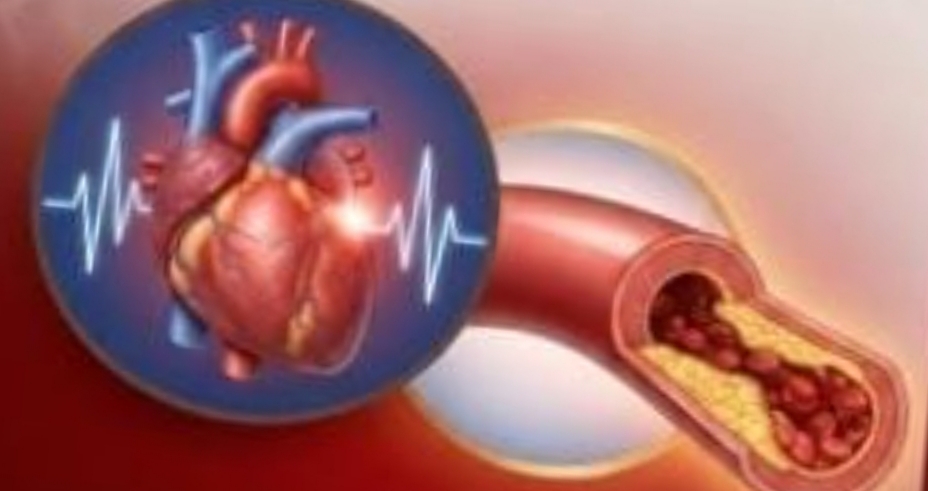
What Is Cholesterol?
Cholesterol is a waxy, fat-like substance found in your blood. Your body needs it to build cells and produce hormones, but excessive levels — especially LDL (“bad”) cholesterol — can lead to plaque buildup in the arteries.
There are two main types:
- LDL cholesterol – Often called “bad” cholesterol because high levels may contribute to artery blockage.
- HDL cholesterol – Known as “good” cholesterol because it helps remove excess cholesterol from the bloodstream.
Maintaining a healthy balance between LDL and HDL is essential for heart health.
Common Causes of High Cholesterol
Several factors may contribute to elevated cholesterol levels, including:
- Diets high in saturated and trans fats
- Lack of physical activity
- Excess body weight
- Smoking
- Stress
- Genetics and family history
- Certain medical conditions
In many cases, improving daily habits can significantly support healthier cholesterol levels.
Natural Strategies to Help Lower Cholesterol
1. Eat More Fiber-Rich Foods
Soluble fiber may help reduce LDL cholesterol by limiting its absorption in the digestive tract. Excellent sources include:
- Oats
- Barley
- Apples
- Lentils
- Beans
- Flaxseeds
- Citrus fruits
Studies suggest that increasing soluble fiber intake can support healthier cholesterol numbers naturally.
2. Choose Healthy Fats
Replacing saturated fats with healthier fats may support heart function and cholesterol balance.
Good options include:
- Olive oil
- Avocados
- Nuts
- Seeds
- Fatty fish rich in omega-3
Avoiding trans fats and heavily processed foods is also recommended.
3. Exercise Regularly
Physical activity may help increase HDL (“good”) cholesterol while supporting healthy weight management.
Simple activities include:
- Walking
- Cycling
- Swimming
- Dancing
- Strength training
Experts commonly recommend at least 30 minutes of moderate exercise most days of the week.
4. Garlic and Natural Ingredients
Some natural ingredients have been traditionally used to support cardiovascular wellness. Garlic, for example, has been studied for its potential role in supporting healthy cholesterol levels, although results vary.
Other commonly discussed foods include:
- Green tea
- Ginger
- Turmeric
- Nuts
- Soy products
These foods can be part of a balanced, heart-friendly diet.
5. Maintain a Healthy Weight
Even modest weight loss may help improve cholesterol balance and support cardiovascular health. Combined with regular activity and mindful eating, maintaining a healthy weight can make a noticeable difference.
Foods Often Recommended for Heart Health
Oats and Beta-Glucan
Oats contain beta-glucan, a type of soluble fiber associated with reductions in LDL cholesterol.
Nuts
Walnuts, almonds, and pistachios provide healthy fats and plant compounds that may support cardiovascular health.
Plant Sterols and Stanols
These natural compounds may help reduce cholesterol absorption in the intestine. They are found in some vegetable oils, nuts, and fortified foods.
Lifestyle Habits That May Help
In addition to diet, these habits can support healthier cholesterol levels:
- Avoid smoking
- Limit excessive alcohol intake
- Sleep adequately
- Reduce stress levels
- Stay hydrated
- Schedule regular medical checkups
When to Seek Medical Advice
Natural lifestyle approaches can be very helpful, but they are not a substitute for professional medical care. If cholesterol levels remain high or if you have other cardiovascular risk factors, consult a healthcare provider for proper evaluation and guidance. In some cases, medication may still be necessary.
Final Thoughts
Improving cholesterol levels naturally often starts with small, consistent lifestyle changes. A balanced diet rich in fiber, regular exercise, healthy fats, and mindful daily habits can all contribute to better heart health over time.
Rather than focusing on quick fixes, building sustainable routines may offer the greatest long-term benefits for your cardiovascular wellness.