
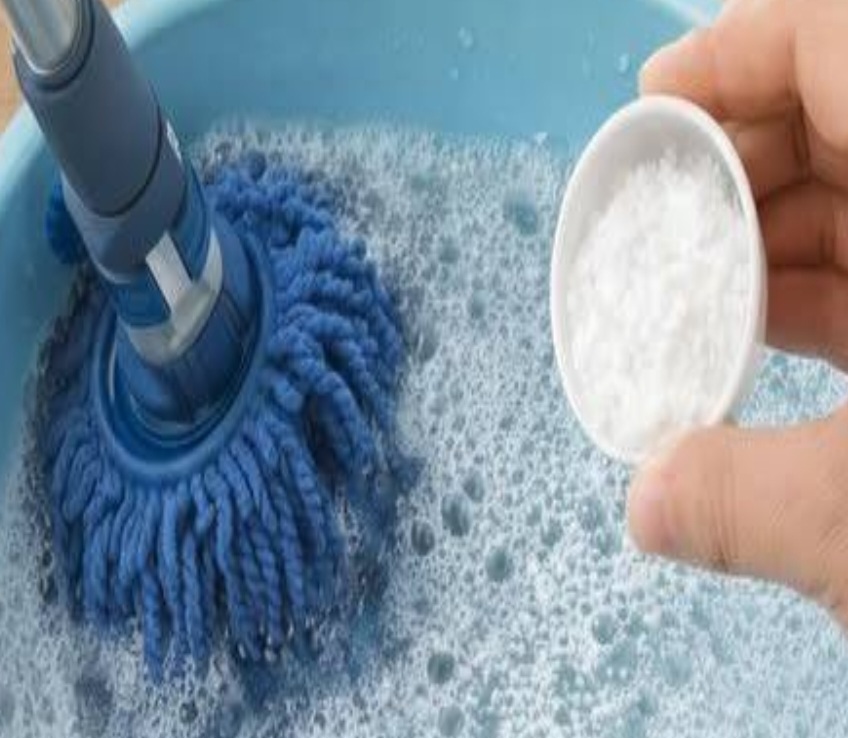
Do your floors seem to get dirty almost as soon as you finish cleaning them? Between everyday dust, footprints, children, pets, and the constant activity of a busy household, keeping floors looking fresh can sometimes feel like a never-ending chore.The good news is that you don’t always need expensive commercial cleaners or strong-smelling chemicals to give your floors a fresh, clean appearance. A simple homemade cleaning mixture can be a convenient, economical option for many common hard-floor surfaces.This easy method combines everyday household ingredients to help remove everyday dirt and leave your floors feeling fresh and pleasantly scented.A Simple Homemade Floor-Cleaning SolutionThe mixture is designed for routine cleaning rather than heavy-duty stain removal. It can be particularly useful when you want to freshen up your floors between deeper cleaning sessions.What You’ll NeedWarm waterA small amount of baking soda (bicarbonate of soda)A suitable floor-cleaning soap or mild dish soapOptional: a few drops of essential oil such as lavender, eucalyptus, or lemonA bucketA mop or microfiber floor clothImportant: The exact amount of each ingredient should be adjusted according to the type of flooring you’re cleaning. More is not necessarily better, and using too much soap or baking soda can leave residue behind.How to Prepare the MixtureStep 1: Fill Your BucketStart by filling a clean bucket with warm water. Warm water can help loosen everyday grime and makes the mixture comfortable to work with.Avoid using extremely hot water, particularly if you’re cleaning a flooring material for which high temperatures are not recommended.Step 2: Add the Cleaning IngredientsAdd a small amount of baking soda and a little mild cleaning soap to the water.Stir the water gently to distribute the ingredients throughout the bucket.If you’re cleaning laminate or varnished flooring, use less baking soda and avoid saturating the floor with water.Step 3: Add an Optional ScentIf you’d like your home to have a fresh scent after cleaning, you can add a few drops of an essential oil such as lavender, eucalyptus, or lemon.Use essential oils sparingly. More drops don’t necessarily mean a better result.Also keep in mind that essential oils can be irritating or harmful to pets, particularly cats, so check that the oil you choose is appropriate for your household before using it.How to Clean Your FloorsBefore mopping, remove loose dirt, crumbs, hair, and dust by sweeping or vacuuming the floor.This step is important because mopping over loose debris can simply move the dirt around.Once the floor is free of loose debris:Dip your mop or microfiber cloth into the cleaning solution.Wring it out thoroughly so it is damp rather than dripping wet.Clean the floor in manageable sections.Pay particular attention to entrances, hallways, and other high-traffic areas.Rinse or refresh the mop as it becomes dirty.Allow the floor to dry completely.For floors that are sensitive to moisture, use as little water as possible.Where Can You Use It?This type of homemade cleaning solution can be suitable for several common hard flooring surfaces, including:Ceramic tilePorcelain tileVinyl flooringSome finished or varnished floorsSome laminate flooring, provided you use very little moisture and a conservative amount of baking sodaAlways check your flooring manufacturer’s care instructions first. Different finishes and materials can react differently to cleaning products.Surfaces to AvoidHomemade cleaning mixtures aren’t automatically safe for every type of flooring.Avoid using baking soda-based mixtures on:Raw or untreated woodNatural porous stone, such as marbleOther flooring materials whose manufacturer specifically recommends against alkaline cleaners or water-based cleaningNatural stone deserves particular care because some types can be sensitive to household cleaning ingredients.If you’re uncertain about a particular floor, test your cleaning solution on a small, inconspicuous area first.A Note About Baking SodaNote About Baking SodaBaking soda is mildly abrasive, so it’s best used cautiously on delicate, glossy, or easily scratched surfaces.For laminate and varnished floors, using less baking soda—or leaving it out altogether—is the safer approach.The goal is to clean the floor without damaging its protective finish.How to Keep Your Floors Cleaner for LongerCleaning is only part of the solution. A few simple habits can significantly reduce the amount of dirt that reaches your floors in the first place.1. Use a DoormatPlace a doormat at the entrance of your home. It can help catch dirt and moisture before they are tracked indoors.2. Remove Shoes at the DoorA no-shoes rule can help reduce the amount of outdoor dirt, dust, and debris brought onto your floors.Keep slippers or indoor shoes near the entrance so the habit is easy to maintain.3. Place Rugs in High-Traffic AreasHallways, entrances, and areas around frequently used doors can benefit from washable rugs or runners.These areas generally receive more foot traffic and can become dirty faster than the rest of the home.4. Vacuum RegularlyPay special attention to corners, along baseboards, beneath furniture, and other places where dust tends to collect.Removing dry dirt regularly can reduce the amount of grime that eventually needs to be removed with a wet mop.5. Clean According to Your Home’s NeedsRather than relying on a rigid schedule, consider your household’s traffic level.A quiet home may need less frequent mopping, while homes with children, pets, or heavy foot traffic may need more frequent cleaning.For routine cleaning, you might find that a 7- to 10-day interval works well, with spot cleaning in between whenever necessary.Important Safety Tips
Keep reading — tap the button below to continue.