
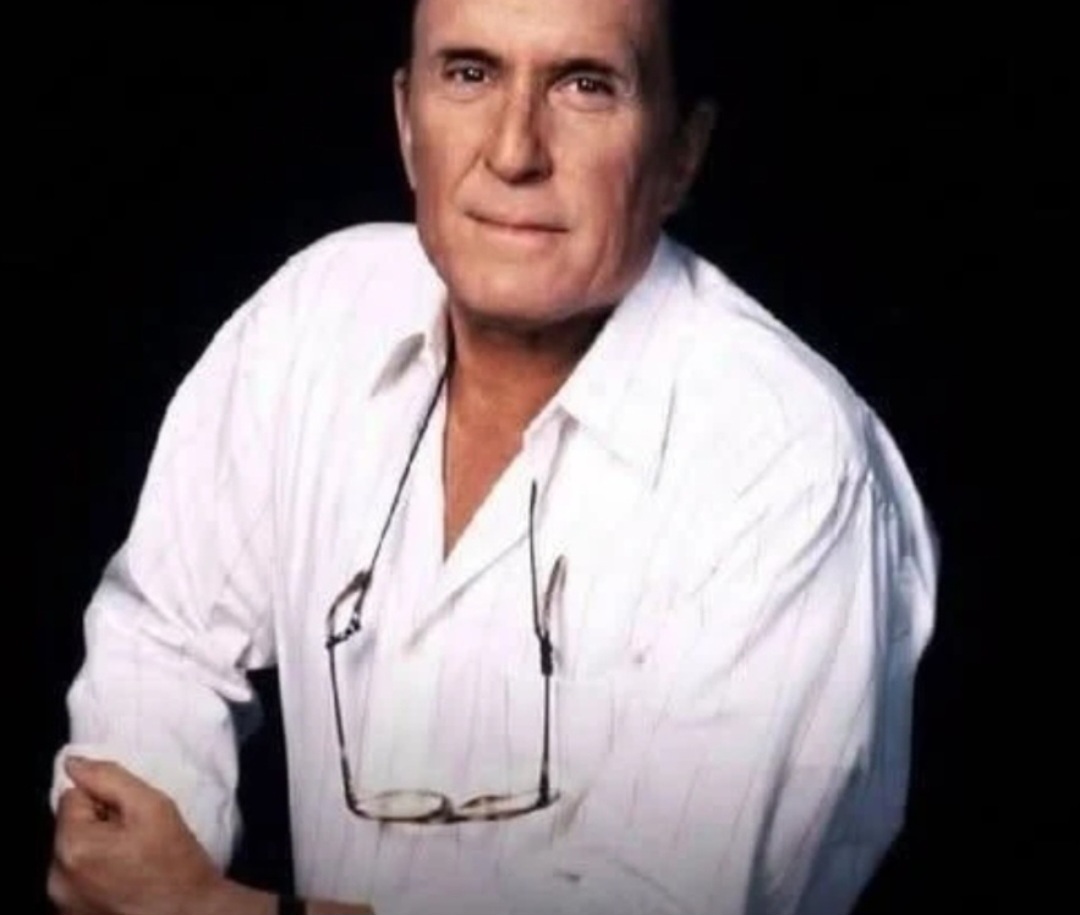
James Lew Dies at 73: Remembering the Martial Artist, Stunt Pioneer and Hollywood Action LegendHollywood is mourning the loss of James Lew, a respected martial artist, actor, stunt performer, stunt coordinator, and fight choreographer whose remarkable career spanned more than five decades.Lew died on August 23, 2026, in Los Angeles at the age of 73. His wife, Jordanna Potter, confirmed his death. A public cause of death has not been disclosed.Although James Lew was not always the name appearing in large letters on a movie poster, his influence could be seen throughout some of Hollywood’s most memorable action sequences. Behind the scenes and in front of the camera, he helped create the fights, stunts, movement, and martial-arts performances that made action movies so compelling.His career crossed generations of filmmaking. From martial-arts productions of the 1970s and 1980s to major Hollywood blockbusters and television series, Lew built a legacy as one of the industry’s versatile action professionals.Who Was James Lew?James Lew was much more than a stuntman.Over the course of his career, he worked as a martial artist, actor, stunt performer, stunt coordinator, fight choreographer, director, and writer.That versatility became one of the defining features of his professional life. He could perform a fight, design the choreography, coordinate a complicated stunt sequence, or step in front of the camera as an actor.His career demonstrates just how many specialized professionals are involved in creating the action audiences see on screen.For movie fans, his credits included films and television projects spanning several decades. For the entertainment industry, he represented a generation of highly trained action professionals whose work helped shape the visual language of martial-arts and stunt filmmaking.James Lew’s Career Began With Martial ArtsJames Lew was born on September 6, 1952, in California and raised in South Central Los Angeles.He began studying martial arts as a teenager. What started as training eventually became the foundation of a lifelong career in entertainment.His early connection to the entertainment world came through the television series Kung Fu. He later expanded his work in martial-arts cinema and traveled to Taiwan, where he appeared in the 1979 film The Young Dragon.Those early experiences helped establish the path that would define his career.Rather than being limited to one role, Lew continued developing his skills across different areas of production. He could perform, choreograph, coordinate, and act, giving him a rare understanding of action filmmaking from multiple perspectives.From Martial Artist to Hollywood Stunt ProfessionalThe work of stunt performers is often overlooked because audiences naturally focus on the actors and characters on screen.When viewers see someone jump through a window, execute a complicated fight, fall from a dangerous height, or perform a difficult martial-arts maneuver, the actor often receives the attention.Behind those moments, however, is a team of specialists responsible for making the action believable while keeping the production as safe and controlled as possible.Stunt professionals must understand physical movement, timing, choreography, camera positioning, safety procedures, and storytelling.A convincing fight scene is not simply a series of punches and kicks. Every movement needs to work from the camera’s perspective while also fitting the story and the characters.James Lew became highly skilled at that combination.His career eventually included an extraordinary range of film and television productions. According to the source material, IMDb lists him with more than 150 stunt credits and more than 180 acting credits.That extensive body of work reflects the consistency and longevity of his career.James Lew and Big Trouble in Little ChinaOne of the most recognizable projects connected with James Lew was John Carpenter’s cult classic Big Trouble in Little China.Released in 1986, the movie blended comedy, fantasy, martial arts, and action into a distinctive Hollywood production.Lew was handpicked by Carpenter to work as a martial-arts choreographer on the film.His involvement came during a period when martial arts were becoming increasingly influential in American action movies. Filmmakers were relying more heavily on specialists with authentic martial-arts experience to create energetic and convincing fight sequences.Lew was part of that evolution.His career also connected him with other John Carpenter productions, including They Live and Escape from L.A.For fans of classic action movies, those credits help illustrate the breadth of his contribution to Hollywood filmmaking.
James Lew Was Also a Familiar Face on Screen
While Lew earned enormous respect for his work behind the scenes, he was also a working actor.
His film credits included appearances in Hot Shots! Part Deux, the Rush Hour movies, Lethal Weapon 4, Timecop, Action Jackson, and other action productions.
One memorable appearance came in Hot Shots! Part Deux, where he participated in a comedic martial-arts sequence opposite Charlie Sheen.
The scene highlighted another important part of Lew’s skill set: physical performance could be serious, dramatic, intimidating, spectacular, or comedic depending on what the story required.
That flexibility helped him remain relevant through different eras of Hollywood.
Working Alongside Major Hollywood Stars
During his long career, James Lew worked in productions involving some of the biggest names in film.
His professional associations and credits included performers such as Jackie Chan, Jet Li, Jean-Claude Van Damme, Steven Seagal, Mel Gibson, Brad Pitt, Tom Cruise, Dwayne Johnson, Kurt Russell, and Chuck Norris.
But his legacy cannot be measured simply by the number of famous stars he worked with.
His deeper contribution was helping create the physical language of action movies.
Stunt performers and fight choreographers influence how characters move, how fights develop, how dangerous a scene feels, and how audiences experience the physical stakes of a story.
A well-designed action sequence can make a character appear stronger, faster, more vulnerable, or more determined.
Professionals such as Lew played an important role in creating those impressions.
James Lew’s Emmy-Winning Work on Luke Cage
One of the major achievements of Lew’s later career came through television.
He served as a stunt coordinator on the Netflix series Luke Cage, and his work earned him a Primetime Emmy Award for Outstanding Stunt Coordination.
That recognition was especially significant because stunt coordination is an aspect of filmmaking that audiences can easily overlook.
A stunt coordinator must work closely with directors, actors, stunt performers, camera crews, special-effects teams, and other departments.
The job requires more than physical ability. It involves translating a director’s creative vision into carefully planned physical action while accounting for practical limitations and safety.
Lew’s Emmy recognition highlighted the technical and creative expertise required to make action sequences believable.
The Hidden Craft Behind Hollywood Action Movies
James Lew’s death offers an opportunity to look beyond the stars and appreciate the professionals responsible for the physical action audiences remember.
Modern action movies can include elaborate choreography, wire work, vehicles, visual effects, practical effects, and highly trained stunt performers.
Yet the foundation remains the same: people who understand movement and know how to make that movement work for the camera.
Stunt professionals may perform dangerous tasks that actors cannot or should not perform themselves. Even when digital effects are used, physical performers remain an important part of the filmmaking process.
The smallest details can determine whether an action scene feels convincing.
The timing of a reaction, the angle of a punch, the way someone lands, the speed of a movement, or the way performers sell the impact of a fight can all influence what the audience sees.
James Lew spent decades mastering that craft.
A Hollywood Career That Spanned Five Decades
According to the source material, James Lew’s professional career began in the 1970s and continued for more than five decades.
That level of longevity is unusual in an industry that changes constantly.
Hollywood transformed dramatically during the years Lew was working. Genres changed, filmmaking technology evolved, new stars emerged, and audiences developed different expectations for action entertainment.
Lew adapted along the way.
His career included traditional martial-arts movies, major Hollywood productions, television, comedy, superhero entertainment, and modern action projects.
His credits also included work connected to films such as Inception and Avengers: Endgame, demonstrating that his career extended well into the modern blockbuster era.
James Lew Was More Than a Stuntman
Describing James Lew simply as a stuntman does not capture the full scope of his career.
He was a:
- Martial artist
- Actor
- Stunt performer
- Stunt coordinator
- Fight choreographer
- Director
- Writer
His 2006 project 18 Fingers of Death! was especially personal because he wrote, directed, and starred in the film.
The project used comedy to explore the world of low-budget martial-arts filmmaking and the struggles of an aging action performer searching for his next opportunity.
It demonstrated the breadth of Lew’s understanding of entertainment.
He knew what it meant to perform.
He knew what it meant to coordinate.
And he knew what it meant to create.
Remembering James Lew Beyond His Movie Credits
Following Lew’s death, his wife shared an emotional tribute that offered a more personal glimpse into his life.
She described imagining him walking along the beach with their dog, sparring with Bruce Lee, and embracing his father again.
Those personal memories provide a reminder that behind an extensive Hollywood résumé was a husband, friend, colleague, teacher, and loved one.
For audiences, James Lew may be remembered through movie scenes and stunt credits.
For the people closest to him, however, his legacy was much more personal.
A public career can be measured in credits and awards, but a person’s life cannot be reduced to a database.
His passing represents both a professional loss for the action-film community and a deeply personal loss for his family and friends.
James Lew’s Role in the Evolution of Martial Arts in Hollywood
Lew’s career also reflects the growing influence of Asian martial arts on American entertainment.
Over several decades, martial-arts techniques became increasingly common in Hollywood productions.
The evolution can be seen in the progression from traditional kung-fu movies to modern action franchises and superhero films.
Specialists with authentic martial-arts knowledge helped bridge the gap between traditional physical disciplines and the demands of American filmmaking.
James Lew was part of that transition.
He brought technical skill, physical discipline, and an understanding of screen performance to productions watched by audiences around the world.
His career also helped demonstrate that martial-arts professionals could contribute to Hollywood in many different ways—not only as fighters, but as choreographers, stunt coordinators, actors, and creative professionals.
Why James Lew’s Work Will Continue to Matter
The lasting legacy of a stunt professional is often found in the scenes audiences continue to watch.
A movie can be decades old, yet a great fight sequence can still feel exciting.
A stunt can remain impressive long after the technology used to film it becomes outdated.
Physical performance has a unique quality because audiences instinctively understand movement, speed, danger, timing, and impact.
Viewers can often tell when a movement feels authentic.
James Lew spent his career working with those elements.
His contributions will continue to exist every time audiences revisit the films and television shows he helped create.
That may be one of the most meaningful forms of longevity an action performer can have.
Hollywood Is Finally Giving Stunt Professionals More Recognition
James Lew’s passing also comes at an important moment for the stunt community.
In 2025, the Academy of Motion Picture Arts and Sciences announced plans to introduce a competitive Oscar category recognizing achievement in stunt design.
According to the source material, the first award is planned for the 100th Academy Awards in 2028 and will honor films released in 2027.
The decision followed decades of advocacy from members of the stunt community.
For years, stunt performers and coordinators argued that their work deserved greater recognition because action sequences can be among the most technically demanding elements of filmmaking.
The growing recognition of stunt professionals places careers such as Lew’s into a broader historical context.
For decades, people like him helped create unforgettable cinema without always receiving the same public recognition given to actors, directors, and other filmmaking departments.
Today, audiences are increasingly interested in discovering the people behind the spectacular moments they see on screen.
A Legacy That Goes Beyond One Movie
It would be easy to remember James Lew because of one famous film.
But his career was much larger than any single production.
It was built over decades and through countless individual moments on film and television sets.
Some fans may remember him from Big Trouble in Little China.
Others may recognize him from Hot Shots! Part Deux, Rush Hour, Lethal Weapon 4, Inception, Avengers: Endgame, or Luke Cage.
Others may be discovering his name for the first time because of news of his death.
All of those connections form part of the same story.
James Lew’s career shows how much work goes into creating the action sequences audiences remember long after the credits roll.
Frequently Asked Questions About James Lew
Who was James Lew?
James Lew was a martial artist, actor, stunt performer, stunt coordinator, fight choreographer, director, and writer whose Hollywood career lasted more than five decades.
How old was James Lew when he died?
James Lew was 73 years old when he died on August 23, 2026, in Los Angeles.
What movies was James Lew in?
His acting credits included Hot Shots! Part Deux, the Rush Hour movies, Lethal Weapon 4, Timecop, Action Jackson, and other productions.
Was James Lew involved with Big Trouble in Little China?
Yes. James Lew worked as a martial-arts choreographer on Big Trouble in Little China and was handpicked by director John Carpenter for the production.
Did James Lew win an Emmy?
Yes. His work as a stunt coordinator on Luke Cage earned him a Primetime Emmy Award for Outstanding Stunt Coordination.
What was James Lew’s legacy?
His legacy is tied to more than five decades of work across martial arts, stunt performance, choreography, acting, television, and Hollywood action filmmaking.
Final Thoughts
James Lew’s career is a powerful reminder that the magic of Hollywood is created by far more people than the stars whose names appear above the title.
Behind every memorable fight scene and spectacular stunt are professionals who train, rehearse, coordinate, calculate, and perform.
Some become household names.
Many do not.
James Lew managed to make an impact both behind the camera and in front of it. He worked alongside generations of performers, helped shape martial-arts action sequences, earned an Emmy for stunt coordination, and remained active in entertainment for more than half a century.
His career represents an important chapter in the history of Hollywood action cinema.
James Lew may be gone, but the films he contributed to, the action sequences he helped create, and the influence he had on stunt and martial-arts filmmaking remain.
The screen goes dark. The credits roll.
But the work remains.
And for James Lew, that work will continue to speak for him for generations to come.
Keep reading — tap the button below to continue