
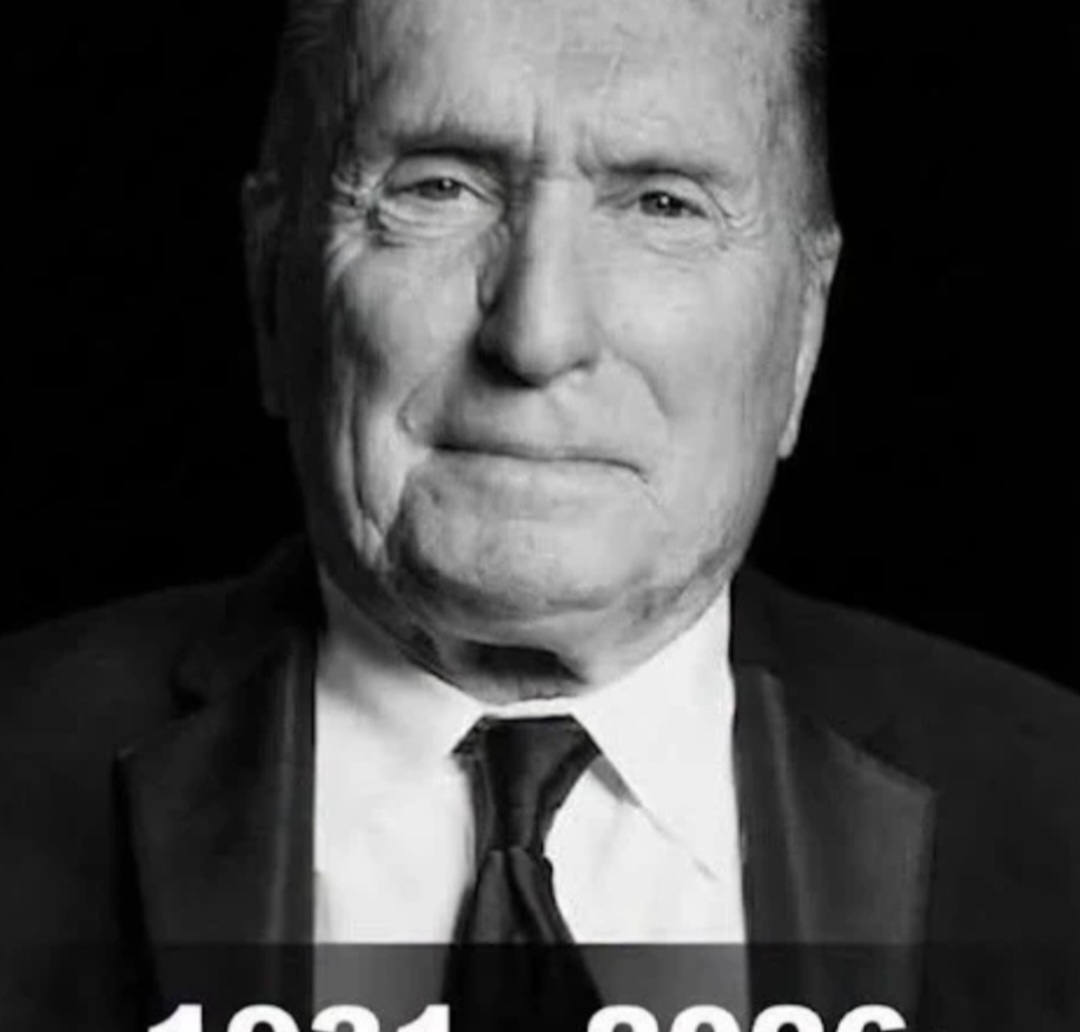
Robert Duvall: Remembering the Legendary Actor Who Defined American CinemaRobert Duvall spent more than six decades building a career that placed him among the most respected actors in American cinema. Known for his extraordinary ability to make fictional characters feel completely real, Duvall brought subtlety, emotional depth, and authenticity to nearly every role he played.From The Godfather and Apocalypse Now to Tender Mercies, his performances became defining moments in film history. He rarely needed exaggerated gestures or dramatic speeches to command attention. A look, a pause, or a quiet line delivered at exactly the right moment could reveal everything about a character.A Career Built on AuthenticityWhat separated Robert Duvall from many of his contemporaries was his understated approach to acting.Rather than performing for the audience, he seemed to disappear into the people he portrayed. His characters could be complicated, vulnerable, stubborn, intimidating, or deeply wounded, but they almost always felt like real human beings.Duvall carefully studied the people behind his roles and relied on small details to communicate their personalities. His controlled screen presence became one of his trademarks.Whether he was portraying a powerful crime-family attorney, a military officer caught in the chaos of war, or a struggling musician searching for another chance, Duvall gave each character a distinct identity.His Breakthrough in The GodfatherFor many movie lovers, Robert Duvall will forever be associated with Tom Hagen in The Godfather.As the adopted son and trusted consigliere of the Corleone family, Duvall played a character who rarely needed to raise his voice to demonstrate authority. His calm delivery and restrained reactions created a fascinating contrast with the violence and emotional intensity surrounding him.The role helped establish Duvall as one of the most important supporting actors of his generation.His performance also demonstrated something that would become a recurring theme throughout his career: powerful acting does not always require being the loudest person in the room.Apocalypse Now and an Iconic PerformanceDuvall delivered another unforgettable performance in Francis Ford Coppola’s Apocalypse Now.As Lieutenant Colonel Bill Kilgore, he created one of the film’s most memorable characters. Kilgore is simultaneously charismatic, frightening, eccentric, and completely confident in his own worldview.Duvall’s performance became one of the defining elements of the movie.His portrayal showed how an actor could make an extraordinary character believable without turning the performance into a caricature. Kilgore’s strange calmness amid the chaos of war made him unforgettable.The Performance That Earned Him an OscarOne of Robert Duvall’s greatest achievements came with Tender Mercies.In the film, he portrayed Mac Sledge, a troubled former country music star attempting to rebuild his life after years of alcoholism, failed relationships, and personal disappointment.The role required restraint rather than theatricality.Duvall communicated Mac’s pain through silences, expressions, and small changes in behavior. Instead of constantly explaining what the character felt, he allowed the audience to discover those emotions gradually.His performance earned him the Academy Award for Best Actor, confirming his status as one of the finest performers of his generatio
.Why Robert Duvall’s Acting Was So Powerful
Duvall’s greatest strength was his ability to make complicated emotions look natural.
He understood that real people do not always announce what they are feeling. They hesitate. They avoid eye contact. They change the subject. They become quiet.
Those details became essential parts of his performances.
His acting often felt less like watching someone perform and more like watching a private moment unfold.
That quality made his characters particularly memorable.
A Six-Decade Legacy
Throughout his career, Duvall worked with some of the most influential directors and actors in Hollywood.
He appeared in critically acclaimed dramas, crime films, war movies, westerns, and character-driven stories. Rather than limiting himself to one type of role, he continually explored different personalities and worlds.
His filmography includes memorable work in:
- The Godfather
- The Godfather Part II
- Apocalypse Now
- Tender Mercies
- The Natural
- Lonesome Dove
- Colors
- A Civil Action
- The Apostle
- The Judge
Each role added another layer to a career defined by versatility and credibility.
An Actor Who Never Needed to Chase Attention
Hollywood often rewards performers who make themselves impossible to ignore.
Duvall followed a different path.
He allowed his characters to take center stage.
That approach may explain why his performances have remained so influential. Even when he was not the central character in a film, audiences remembered him.
His work demonstrated that an actor could dominate a scene through stillness, timing, and authenticity.
The Enduring Influence of Robert Duvall
Robert Duvall’s influence extends far beyond individual movies.
Generations of actors have studied his performances because of the honesty and discipline he brought to his craft. His work helped establish a style of American acting built around observation, restraint, and emotional realism.
He showed that great performances do not always announce themselves.
Sometimes they arrive quietly.
A pause.
A glance.
A change in someone’s voice.
A single sentence that reveals an entire lifetime.
That was Robert Duvall’s gift.
Remembering a Hollywood Legend
Robert Duvall’s place in American cinema is secure because his performances continue to resonate long after the credits roll.
From Tom Hagen’s controlled authority in The Godfather to Lieutenant Colonel Kilgore’s unforgettable presence in Apocalypse Now and Mac Sledge’s heartbreaking vulnerability in Tender Mercies, Duvall repeatedly demonstrated what exceptional acting could accomplish.
He did not simply play characters.
He inhabited them.
And that ability—to make audiences believe they were watching real people rather than actors performing scripted roles—is one of the reasons Robert Duvall remains such an important figure in the history of American film.